
Blog
How Fat Dissolving Injections Work?


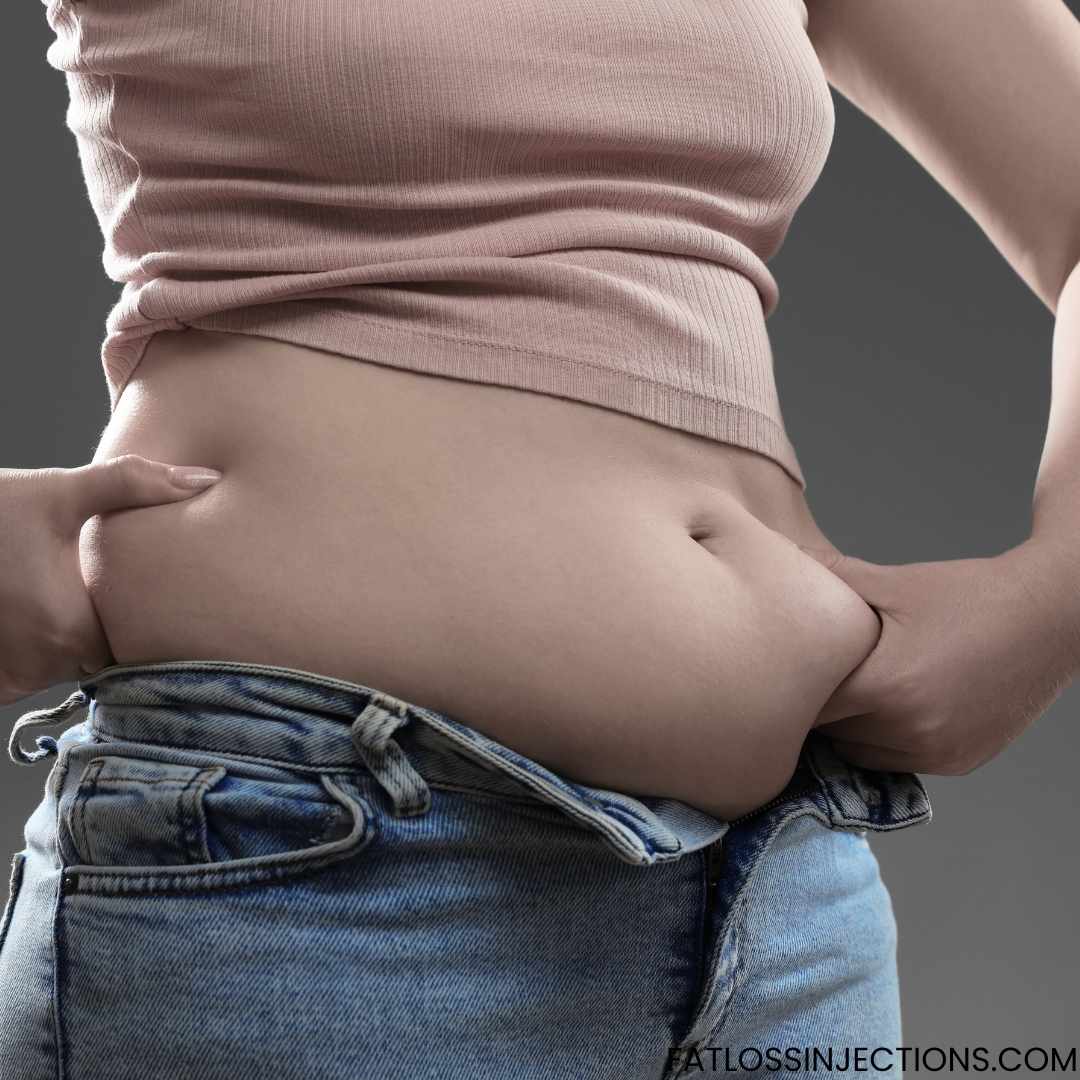
In the quest for a more sculpted body, many people are turning to fat dissolving injections—a non-surgical alternative to traditional liposuction. These injections, also known as lipolytic injections or fat loss injections, have gained popularity for their ability to reduce stubborn fat pockets with minimal downtime and visible results.
But how exactly do fat dissolving injections work? Let’s explore this innovative treatment in simple, clear terms.
What Are Fat Dissolving Injections?
Fat dissolving injections are cosmetic treatments designed to break down and eliminate localized fat deposits under the skin. They are especially effective for areas like:
- Double chin
- Upper arms
- Thighs
- Abdomen
- Flanks (love handles)
- Bra bulges
The active ingredient in most lipolytic injections is deoxycholic acid, a naturally occurring substance in the body that helps break down and absorb dietary fat.
How Do Lipolytic Injections Work?
The process is straightforward and scientifically backed. Here’s how fat loss injections work step-by-step:
- Targeting Fat Cells
A trained practitioner injects the lipolytic solution directly into the fatty tissue of the targeted area. - Breaking Down Fat
The deoxycholic acid in the injection breaks down the fat cell membranes, causing them to rupture. - Elimination Through the Body
Once destroyed, the fat cells are naturally metabolized and flushed out by the body’s lymphatic system over the next several weeks. - Permanent Results
Because the fat cells are destroyed—not just shrunk—the results are typically long-lasting, provided a healthy lifestyle is maintained.
What to Expect During the Treatment
Fat dissolving injections are relatively quick and straightforward. The procedure usually takes about 20 to 40 minutes, depending on the treatment area. Some people may experience mild swelling, redness, or bruising afterward, but these side effects usually subside within a few days.
Most patients need 2 to 4 sessions spaced several weeks apart to achieve optimal results. However, the number of treatments varies depending on the area and the amount of fat being treated.
Benefits of Fat Loss Injections
✅ Non-surgical and minimally invasive
✅ Quick treatment time and no downtime
✅ Targets stubborn fat pockets diet and exercise can’t reach
✅ Boosts confidence and body contour
✅ Suitable for both men and women
Unlike traditional methods of fat removal, such as liposuction, lipolytic injections offer a gentler, office-based solution without the risks of anesthesia or long recovery periods.
Are Fat Dissolving Injections Safe?When performed by a qualified medical professional, fat dissolving injections are considered safe and effective. However, like any aesthetic procedure, they are not suitable for everyone. It’s important to consult with a licensed practitioner to ensure you’re a good candidate.
Common Myths About Lipolytic Injections
❌ Myth: They’re a weight loss treatment
✔️ Truth: Fat loss injections are best for people close to their ideal weight who want to fine-tune specific areas.
❌ Myth: The fat will come back
✔️ Truth: Once fat cells are destroyed, they don’t return—though remaining fat cells can still expand with weight gain.
Final Thoughts
Fat dissolving injections are a game-changer for anyone looking to fine-tune their physique without surgery. By targeting stubborn fat areas with precision and care, lipolytic injections offer a non-invasive path to a more sculpted, confident you.
Whether it’s under the chin or around the waist, fat loss injections can help redefine body contours and deliver long-lasting, natural-looking results—one tiny injection at a time.

Teenagers today face unique challenges when it comes to maintaining a healthy weight. With busy school routines, peer pressure, social media influence, and the easy availability of junk food, it’s no surprise that many teens struggle with weight gain. But losing weight as a teenager is not just about looking good — it’s about building lifelong habits that promote good health, confidence, and energy.
Unlike adults, teens are still growing, which means extreme dieting or fad weight loss products can be harmful. The right approach is slow, steady, and focused on balanced nutrition, regular physical activity, and self-care.
This guide will share safe, science-backed, and practical weight loss tips for teenagers that encourage natural fat loss while keeping the body healthy and strong.
Why Healthy Weight Loss Matters for Teenagers
- Prevents risks of early obesity-related conditions (like type 2 diabetes, hypertension, PCOS, or joint issues).
- Supports better energy for sports, studies, and social activities.
- Builds self-esteem and body confidence without dangerous crash diets.
- Establishes lifelong habits for adult health and fitness.
1. Focus on Balanced Nutrition
Food choices are the biggest factor in weight management for teens. Instead of dieting, focus on healthy swaps and portion control.
Practical Tips:
- Eat more whole foods: fruits, vegetables, lean proteins (chicken, fish, beans, eggs), and whole grains.
- Limit junk food & sugary drinks: sodas, chips, candies, and fast food should be occasional treats.
- Don’t skip breakfast: skipping meals can slow metabolism and lead to overeating later.
- Healthy snacks: swap chips with nuts, yogurt, or fruit slices.
- Portion awareness: use smaller plates and avoid second helpings.
2. Stay Active with Fun Exercises
Exercise shouldn’t feel like punishment. The best routine for teens is one they actually enjoy.
Ideas for Teen-Friendly Workouts:
- Sports: basketball, football, swimming, or badminton.
- Dancing, Zumba, or TikTok workout challenges.
- Jogging, cycling, or skipping rope.
- At-home workouts: push-ups, squats, planks.
- Aim for 60 minutes of physical activity daily (as recommended by the CDC for teens).
3. Stay Hydrated
Thirst is often mistaken for hunger. Drinking enough water:
- Helps control cravings.
- Improves skin and energy.
- Supports fat metabolism.
👉 Replace sodas and energy drinks with plain water, coconut water, or homemade smoothies without added sugar.
4. Prioritize Sleep
Teenagers need 8–10 hours of sleep per night. Lack of sleep can:
- Increase cravings for junk food.
- Slow metabolism.
- Lead to weight gain and poor focus in school.
5. Limit Screen Time
Excessive use of mobile phones, video games, or TV encourages sitting for long hours and often comes with mindless snacking.
Try:
- A “no-screen rule” during meals.
- Setting daily limits on gaming or scrolling.
- Replacing 30 minutes of screen time with a short walk or stretch.
6. Mental Health & Body Image
Weight loss for teenagers is not just physical — it’s also emotional. Teens often face bullying, comparison, and social pressure.
- Avoid crash diets that can harm health.
- Focus on feeling strong and healthy, not just on the number on the scale.
- Speak with a parent, counselor, or psychologist if struggling with body image issues.
7. Get Support from Family
Healthy habits stick better when the whole family participates. Parents can:
- Cook balanced meals at home.
- Encourage family walks after dinner.
- Avoid keeping too much junk food at home.
8. Professional Guidance
If a teenager struggles with obesity or medical conditions like PCOS, thyroid problems, or insulin resistance, it’s best to consult:
- Dermatologists, plastic surgeons, or aesthetic physicians (for healthy weight & skin guidance).
- A nutritionist or pediatric doctor for a personalized plan.
Safe & Sustainable Weight Loss Rate for Teens
- Healthy target: 0.5 to 1 kg (1–2 pounds) per week.
- Losing weight too fast can affect growth, hormones, and overall health.
FAQs About Weight Loss for Teenagers
1. Is it safe for teenagers to diet?
Extreme dieting is unsafe. Teens should focus on balanced meals and regular activity instead of cutting out entire food groups.
2. How much exercise should a teenager do daily?
At least 60 minutes of moderate-to-intense physical activity is recommended.
3. Can skipping meals help teens lose weight?
No. Skipping meals slows metabolism and often leads to overeating later.
4. What are the best snacks for teenage weight loss?
Fruits, nuts, yogurt, boiled eggs, and whole-grain crackers are great options.
5. Should teenagers take weight loss supplements?
No. Supplements, fat burners, and diet pills are not safe for growing teens. Stick to natural methods.
Conclusion
Weight loss for teenagers should never be about crash diets or unsafe shortcuts. Instead, focus on healthy eating, active living, proper sleep, hydration, and emotional well-being. With small lifestyle changes and family support, teens can achieve a healthy weight naturally while building habits that will last a lifetime.
👉 For professional support and guidance from dermatologists, plastic surgeons, and aesthetic physicians, you can book an appointment session at aesthedoc.com.
Introduction
Weight loss is a common goal, but rapid weight loss attracts the most attention. One of the most searched questions worldwide is “How to lose 10 pounds in a week?”. While it sounds appealing, achieving this goal requires careful planning, scientific understanding of metabolism, and awareness of the risks involved.
This article will explore whether it is possible to lose 10 pounds in seven days, the safe methods to attempt it, and healthier long-term alternatives.
Can You Really Lose 10 Pounds in a Week?
Medically, losing 1–2 pounds per week is considered safe and sustainable. Dropping 10 pounds in just seven days is not typical fat loss but a combination of:
- Water weight reduction (through glycogen depletion and sodium restriction)
- Caloric deficit (cutting calorie intake below expenditure)
- Gastrointestinal emptying (reducing bloating and digestion-related weight)
👉 Therefore, most of the weight lost in one week is temporary and may return once normal eating resumes.
The Science Behind Rapid Weight Loss
- Caloric Deficit – To lose one pound of fat, you need a deficit of about 3,500 calories. Losing 10 pounds would require a 35,000-calorie deficit in one week, which is nearly impossible without extreme restriction.
- Water Weight – The human body stores carbohydrates as glycogen, and each gram of glycogen binds 3–4 grams of water. Cutting carbs can shed 5–7 pounds quickly due to water loss.
- Metabolic Adaptation – Extreme dieting can slow metabolism, making it harder to sustain weight loss.
Step-by-Step Plan: How to Lose 10 Pounds in 7 Days
1. Adjust Your Diet
- Cut Carbohydrates: Limit bread, rice, pasta, and sugary foods. This forces your body to burn stored glycogen and lose water weight.
- Increase Protein Intake: Eggs, lean chicken, fish, and plant-based proteins help preserve muscle and increase satiety.
- Eat More Vegetables: High-fiber, low-calorie vegetables like spinach, cucumber, and broccoli reduce hunger.
- Reduce Sodium: Salt holds water in the body. Cutting processed foods lowers bloating.
- Stay Hydrated: Drink 3–4 liters of water daily to flush toxins and support metabolism.
2. Exercise for Rapid Weight Loss
- High-Intensity Interval Training (HIIT): 20–30 minutes daily burns calories quickly.
- Strength Training: Lifting weights maintains muscle mass during calorie restriction.
- Cardio: Brisk walking, cycling, or treadmill running for 45–60 minutes increases calorie burn.
- Sweat-Inducing Activities: Saunas or hot yoga can reduce water retention temporarily.
3. Lifestyle Adjustments
- Sleep 7–8 hours: Lack of sleep raises cortisol, leading to cravings.
- Avoid Alcohol: Alcohol adds empty calories and causes bloating.
- Intermittent Fasting: A 16:8 method (fast 16 hours, eat within 8) may speed up results.
- Mindful Eating: Chewing slowly and eating smaller portions helps reduce calorie intake.
Estimated Results in One Week
If you strictly follow the above plan:
- 5–7 pounds may come from water weight.
- 2–3 pounds may come from fat and muscle loss.
- Total: Up to 10 pounds (results vary depending on starting weight, activity, and metabolism).
Risks of Losing 10 Pounds in a Week
While possible, rapid weight loss carries health risks:
- Dehydration
- Electrolyte imbalance
- Dizziness and fatigue
- Muscle loss
- Nutrient deficiency
- Gallstones (from rapid fat loss)
Medical experts recommend avoiding extreme diets unless under supervision.
Safer Alternatives for Long-Term Weight Loss
Instead of drastic one-week diets, sustainable weight loss works better:
- Aim for 1–2 pounds per week.
- Combine balanced diet + regular exercise.
- Adopt sustainable eating patterns like the Mediterranean or DASH diet.
- Use professional help: dermatologists, plastic surgeons, and aesthetic physicians often guide patients in combining medical weight loss treatments with lifestyle changes.
Estimated Cost of Medical Weight Loss Procedures
Some people use professional procedures to accelerate results, including:
- Fat-dissolving injections – Estimated PKR 15,000 – 30,000 per session
- Non-surgical body contouring (laser, RF, cryolipolysis) – PKR 20,000 – 50,000 per session
- Prescription weight loss medications (e.g., Mounjaro, Ozempic) – PKR 40,000 – 70,000 per month
👉 These treatments are performed by dermatologists, plastic surgeons, and aesthetic physicians to ensure safety and effectiveness.
For booking a weight loss consultation or procedure, visit Aesthedoc Clinic Islamabad
FAQs
1. Is it safe to lose 10 pounds in a week?
Not entirely. Most of it is water weight, and extreme diets may cause side effects. Slow, steady weight loss is healthier.
2. Can I lose 10 pounds in a week without exercise?
Possible with strict dieting, but exercise improves fat loss and prevents muscle breakdown.
3. What foods help the most in fast weight loss?
Lean proteins, low-carb vegetables, eggs, fish, and fiber-rich greens are the best choices.
4. Will I gain the weight back after one week?
Yes, most people regain some weight once normal eating resumes, especially if carbs are reintroduced.
5. What is a realistic weight loss goal?
1–2 pounds per week is medically safe and sustainable. Over time, this adds up to long-term results.
Conclusion
While it is possible to lose up to 10 pounds in a week, most of it comes from water loss rather than true fat reduction. Rapid weight loss methods can pose health risks, so they should only be used occasionally and with medical supervision.
For a safer, more sustainable approach, consult professional dermatologists, plastic surgeons, or aesthetic physicians who can guide you with medical treatments, diet planning, and lifestyle modifications.
👉 To explore advanced, clinically approved weight loss options, visit aesthedoc.com and book your appointment today.

Managing diabetes while trying to lose weight can feel like a challenge. People with diabetes need to keep blood sugar levels stable while also creating a calorie deficit to shed extra pounds. A carefully designed diet plan for diabetics to lose weight helps improve insulin sensitivity, maintain healthy glucose levels, and reduce risks of heart disease and other complications.
In this guide, we will explore:
- The link between diabetes and weight
- Foods to eat and avoid
- Sample diet plan for diabetics to lose weight
- Practical lifestyle tips
- Frequently asked questions
Understanding the Link Between Diabetes and Weight
Why weight matters in diabetes
- Excess weight increases insulin resistance, making it harder for cells to absorb glucose.
- Weight loss of even 5–10% of body weight can improve blood sugar control.
- A balanced diabetic diet helps prevent complications such as cardiovascular disease, neuropathy, and kidney damage.
The role of insulin and metabolism
- In Type 2 Diabetes, the body still produces insulin but does not use it effectively.
- In overweight diabetics, fat tissue releases hormones that interfere with insulin function.
- A structured diet reduces excess glucose and helps maintain steady energy throughout the day.
Principles of a Weight Loss Diet for Diabetics
- Control Carbohydrates
- Choose complex carbs with fiber (whole grains, vegetables, legumes).
- Limit refined carbs like white bread, pastries, and sugary drinks.
- Aim for 45–60 grams of carbs per meal, depending on individual needs.
- Prioritize Lean Protein
- Protein helps manage hunger and supports muscle mass.
- Good options: fish, skinless chicken, turkey, eggs, tofu, lentils.
- Healthy Fats Are Essential
- Monounsaturated and polyunsaturated fats improve heart health.
- Sources: olive oil, avocado, nuts, seeds, fatty fish (salmon, mackerel).
- Fiber is Your Best Friend
- High-fiber foods slow down glucose absorption and reduce sugar spikes.
- Include: vegetables, fruits with skin, chia seeds, oats.
- Portion Control
- Even healthy foods can raise blood sugar if eaten in large amounts.
- Use the plate method:
- ½ non-starchy vegetables
- ¼ lean protein
- ¼ whole grains or legumes
- Low Glycemic Index (GI) Foods
- Focus on foods with a GI below 55 for steady sugar release.
- Examples: lentils, chickpeas, barley, apples, non-starchy veggies.
Foods to Eat in a Diabetic Weight Loss Diet
- Vegetables: spinach, broccoli, kale, zucchini, carrots, tomatoes
- Fruits (low GI): apples, pears, berries, cherries, grapefruit
- Proteins: chicken, fish, turkey, beans, eggs, tofu
- Whole grains: oats, brown rice, quinoa, barley
- Healthy fats: olive oil, flaxseeds, chia seeds, almonds, walnuts
- Dairy (low-fat): Greek yogurt, skimmed milk, cottage cheese
Foods to Avoid
❌ White bread, pasta, and rice
❌ Sweetened beverages (cola, energy drinks, fruit juices)
❌ Deep-fried foods
❌ Red and processed meats (sausages, bacon)
❌ Full-fat dairy products
❌ Baked goods (cakes, cookies, donuts)
Sample 7-Day Diet Plan for Diabetics to Lose Weight
Here’s a practical diabetic-friendly weight loss diet plan:
Day 1
- Breakfast: Oatmeal with chia seeds, walnuts, and half an apple
- Snack: 1 boiled egg + cucumber slices
- Lunch: Grilled chicken breast + steamed broccoli + quinoa
- Snack: A handful of almonds
- Dinner: Baked salmon + spinach salad with olive oil dressing
Day 2
- Breakfast: Greek yogurt with flaxseeds and berries
- Snack: 1 small pear
- Lunch: Lentil soup + whole wheat bread + green salad
- Snack: Roasted chickpeas
- Dinner: Grilled turkey + sautéed zucchini + brown rice
Day 3
- Breakfast: 2 boiled eggs + whole wheat toast + avocado slices
- Snack: Carrot sticks with hummus
- Lunch: Baked fish + roasted cauliflower + barley
- Snack: A handful of walnuts
- Dinner: Grilled chicken strips + leafy greens + olive oil
Day 4
- Breakfast: Smoothie with spinach, unsweetened almond milk, and chia seeds
- Snack: 1 small apple
- Lunch: Black bean salad with olive oil dressing
- Snack: 1 boiled egg
- Dinner: Grilled salmon + quinoa + green beans
Day 5
- Breakfast: Greek yogurt + sunflower seeds + half a banana
- Snack: 1 boiled egg + tomato slices
- Lunch: Lentil curry + brown rice + spinach salad
- Snack: Roasted peanuts
- Dinner: Grilled turkey breast + steamed broccoli + olive oil
Day 6
- Breakfast: Oats porridge with cinnamon and flaxseeds
- Snack: A handful of almonds
- Lunch: Chicken soup + whole wheat bread + cucumber salad
- Snack: Low-fat cottage cheese with sliced bell peppers
- Dinner: Grilled fish + quinoa + leafy greens
Day 7
- Breakfast: 2 scrambled eggs + sautéed spinach + whole wheat toast
- Snack: 1 small grapefruit
- Lunch: Lentil stew + brown rice + salad
- Snack: Roasted pumpkin seeds
- Dinner: Baked salmon + green beans + olive oil drizzle
Lifestyle Tips for Diabetics Trying to Lose Weight
- Regular Exercise
- 150 minutes per week of walking, swimming, or cycling.
- Strength training twice a week to build muscle.
- Stay Hydrated
- Water helps flush toxins and prevents sugar cravings.
- Adequate Sleep
- Poor sleep increases hunger hormones and insulin resistance.
- Stress Management
- High stress raises cortisol, which affects blood sugar.
- Practice yoga, meditation, or deep breathing.
- Monitor Blood Sugar
- Track glucose before and after meals to adjust diet.
FAQs
1. Can diabetics lose weight with intermittent fasting?
Yes, but it must be done under medical supervision to prevent hypoglycemia.
2. Is fruit safe in a diabetic weight loss diet?
Yes, low-GI fruits like apples, berries, and pears are safe in moderation.
3. Should diabetics avoid carbs completely?
No, the body needs carbs for energy—focus on whole grains and fiber-rich carbs.
4. How much weight should a diabetic aim to lose?
A safe goal is 1–2 pounds (0.5–1 kg) per week, aiming for a 5–10% total body weight loss.
5. Can medication help with weight loss in diabetics?
Yes, certain medications like Metformin or GLP-1 receptor agonists may assist, but always consult a healthcare provider.
Conclusion
A diet plan for diabetics to lose weight should focus on balanced nutrition, portion control, and low-GI foods while avoiding sugar spikes. Along with regular exercise and lifestyle changes, diabetics can lose weight safely and improve blood sugar control.
For expert guidance, customized diet plans, and aesthetic treatments that support weight loss, book your appointment with dermatologists, plastic surgeons, and aesthetic physicians at 👉 aesthedoc.com.
-
 Blog9 months ago
Fat Loss Injections vs Liposuction – Which One Is Better for You?
-

 Blog9 months ago
L-Carnitine Fat Dissolving Injections
-

 Blog6 months ago
Weight Loss Tips for Teenagers
-

 Blog9 months ago
Top 5 Fat Dissolving Injections
-

 Blog9 months ago
L-Carnitine Slimming Drips in Pakistan
-

 Blog6 months ago
Best Way to Lose Belly Fat
-

 Blog6 months ago
How to Lose 10 Pounds in a Week
-

 Blog6 months ago
Diet Plan for Diabetics to Lose Weight